


Are you craving the rich flavors of Korean cuisine but unsure how to incorporate them into your home cooking? discover the versatility of tofu,a beloved staple in Korean dishes,with authentic recipes that are both delicious and easy to make.Elevate your meals and bring the essence of Seoul into your kitchen today!
Discovering the Rich History of Tofu in Korean Cuisine
Tofu’s journey into korean cuisine is not just a culinary footnote; it’s a vibrant story that reflects centuries of cultural exchange and adaptation. As a staple derived from the soybeans cultivated in East Asia, tofu has found a unique place in the heart of Korean cooking. The earliest records of tofu in Korea can be traced back to the late Goryeo Period (918–1392), where it began to earn its reputation as a nutritious and versatile food. This protein-rich ingredient gradually became an essential component in customary dishes, gaining prominence as both a meat substitute and a flavorful addition.
Tofu’s Evolution in Korean Dishes
Historically, tofu has been utilized in various forms across Korean cuisine.From silken to firm varieties, each type serves its own purpose in dishes that range from stews to side dishes. One popular form is “Sundubu,” or soft tofu, which is a key ingredient in Sundubu Jjigae (soft tofu stew), known for its spicy broth and comforting texture. This dish exemplifies how tofu has evolved to accommodate local tastes and cooking styles, melding seamlessly with bold flavors and fresh ingredients.
- Sundubu Jjigae: A spicy stew featuring soft tofu,vegetables,and frequently enough seafood or meat.
- Dubukimchi: fermented kimchi served with grilled or stir-fried tofu, combining tangy and savory elements.
- Tofu Bibimbap: A hearty dish where tofu is stir-fried and mixed with rice and assorted vegetables.
What makes tofu particularly appealing in Korean dishes is its ability to absorb the flavors of surrounding ingredients while providing a satisfying texture. Tofu serves as a blank canvas,allowing chefs to get creative. In dishes featured in A Ri Rang Tofu: Authentic Korean Recipes That Bring Seoul to Your Kitchen,you will find innovative ways to prepare tofu that highlight its versatility and nutritional benefits.
Modern interpretations and Global Influence
In contemporary Korean cuisine, tofu continues to adapt to global influences while remaining firmly rooted in tradition. Innovative chefs are exploring new techniques, such as marinating and grilling tofu, which not only enhances its flavour but also caters to diverse culinary palettes. This evolution not only preserves tofu’s traditional role in Korean meals but also introduces it to a broader audience, showcasing how it can be incorporated into various dietary lifestyles, including vegan and vegetarian diets.
Tofu’s enduring legacy in Korean cuisine is a testament to its versatility and cultural significance.As you explore the recipes in A Ri Rang Tofu: Authentic Korean Recipes That Bring Seoul to Your Kitchen, you are not just cooking; you are participating in a rich culinary tradition that transcends time and borders, embracing both heritage and innovation.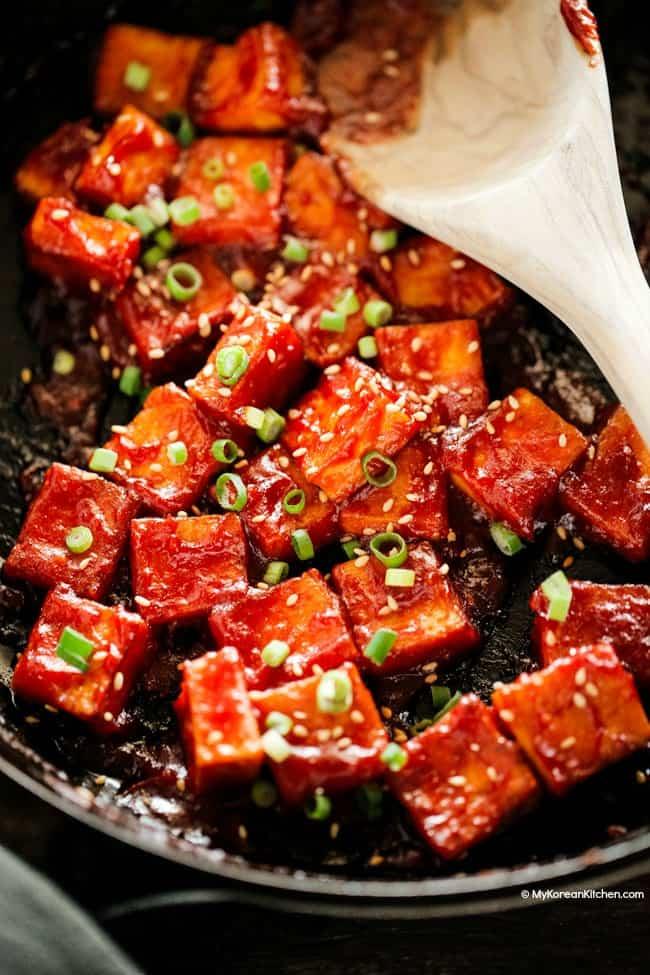
Essential Ingredients for Authentic Korean Tofu Dishes
Tofu is a staple ingredient in Korean cuisine, celebrated not only for its versatility but also for its ability to absorb flavors, making it a favorite in various dishes. The warmth and comfort of korean tofu preparations, such as spicy braised tofu and pan-fried varieties, depend heavily on a few essential ingredients that elevate simple tofu into an unusual culinary experience. Understanding these ingredients is key to recreating authentic flavors reminiscent of Seoul right in your home kitchen.
Essential Ingredients
- Tofu: The foundation of any tofu dish. For authentic Korean recipes, use firm or extra-firm tofu, which holds its shape well during cooking and absorbs flavors effectively. Look for organic or non-GMO varieties for the best taste.
- gochujang: This fermented Korean chili paste adds a sweet,spicy,and savory depth to dishes. It is particularly important in recipes like spicy tofu in gochujang and gives a signature flavor to braised dishes.
- Soy Sauce: A critical ingredient in achieving the umami flavor in Korean cooking.It is used for marinating tofu and adding depth to the cooking sauce in dishes such as dubu-jorim (spicy braised tofu).
- Sesame Oil: A finishing oil that imparts a nutty aroma and flavor. It can be drizzled over tofu stir-fries or used in dressings for salad dishes.
- Garlic and Ginger: Fresh garlic and ginger enhance the aromatic profile of dishes. They are often used in marinades and sauces to provide a robust flavor base.
- Scallions: Fresh green scallions add a pop of color and a mild onion flavor, making them a perfect garnish or ingredient in stir-fries.
By incorporating these essential ingredients into your cooking, you can create delicious Korean tofu dishes that not only satisfy but also transport you to the vibrant streets of seoul. Whether you’re preparing the beloved dubu-jorim or a spicy sauce for pan-fried tofu, these components are the key to unlocking authentic flavors that will delight your taste buds.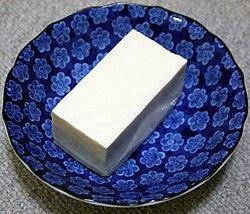
Step-by-Step Guide to Making Your Own Tofu at Home
Making tofu at home can be a transformative culinary experience, allowing you to craft this versatile protein from scratch and personalize it to your taste. Homemade tofu is fresher, more flavorful, and often has a creamier texture than store-bought varieties.Additionally,understanding the tofu-making process can deepen your appreciation for dishes like those found in ‘A Ri Rang Tofu: Authentic Korean Recipes That Bring Seoul to Your kitchen,’ where tofu plays a starring role in various authentic dishes.
To begin your tofu-making journey, gather the necessary ingredients and tools. You will need soybeans, water, a tofu mold or a simple container with holes for drainage, and coagulants like magnesium chloride or calcium sulfate. Here’s a step-by-step guide:
Ingredients & Tools
| Ingredient/Tool | Amount/Description |
|---|---|
| Soybeans | 2 cups |
| Water (for soaking) | Enough to cover soybeans |
| Water (for blending) | 6 cups |
| Coagulant (magnesium chloride or calcium sulfate) | 1/4 cup |
| Tofu mold | Any small container with drainage holes |
step-by-Step process
- Soak the Soybeans: Start by soaking the soybeans in plenty of water for 8-12 hours until they are plump and soft.
- blend and Strain: Drain and rinse the soybeans, then blend them with 6 cups of fresh water to create a smooth mixture. Strain this mixture through a cheesecloth or nut milk bag, collecting the liquid (soy milk) in one bowl while leaving the solids (okara) in another.
- Heat the Soy Milk: Transfer the strained soy milk into a pot and heat it to around 190°F (88°C), stirring frequently to prevent scalding.
- Coagulate the Soy Milk: Dissolve your chosen coagulant in a small amount of warm water and slowly stir it into the hot soy milk. Allow the mixture to sit for about 15 minutes to form curds.
- Drain the Curds: Line your tofu mold with cheesecloth, pour in the curds, and fold the excess cheesecloth over the top.Apply a weight to press the tofu and remove any excess liquid, letting it sit for 30-60 minutes depending on how firm you want your tofu to be.
By making tofu at home, you not only gain control over the flavor and texture of this staple ingredient but also connect more deeply with recipes from ‘A Ri Rang Tofu: Authentic Korean Recipes That Bring Seoul to Your Kitchen.’ Once you have your fresh tofu, it can be incorporated into a variety of dishes, from traditional Korean stews to innovative modern recipes, unlocking endless culinary possibilities.
Flavorful Korean Tofu Recipes to Try Tonight
Korean cuisine is renowned for its vibrant flavors, and tofu plays a pivotal role in many traditional dishes. Its versatility allows it to absorb spices and sauces, making it an ideal ingredient for a variety of recipes. If you’re eager to explore the delicious world of Korean tofu meals, here are a few flavorful recipes inspired by A Ri Rang Tofu: Authentic Korean Recipes That Bring Seoul to Your Kitchen that you can try tonight.
Dubu Jorim (Braised Tofu)
One of the most comforting Korean dishes is Dubu Jorim, which features tofu simmered in a savory sauce made from soy sauce, sesame oil, and red pepper flakes. This dish not only highlights the soft texture of braised tofu but also marries beautifully with rice for a satisfying meal. To make it, simply slice the tofu, cook it until golden, and then simmer it in the sauce for about 10 minutes. The result is a rich, flavorful side dish that pairs perfectly with your favorite Korean staples [[2]].
Pan Fried Tofu with Spicy Sauce
Another delectable option is pan-fried tofu with a spicy sauce. this dish features tofu cubes sautéed until crisp and then coated in a sauce made of soy sauce and maple syrup for a sweet and savory flavor. To enhance the heat, consider adding gochujang (Korean chili paste), which will elevate the dish further. This recipe is not only simple and fast but also budget-amiable. You can easily whip it up in under 30 minutes, making it a fantastic choice for a weeknight dinner. Find the full recipe and tips on how to make this tasty dish on Maangchi’s website [[1]].
Korean Tofu with Spicy Korean Ketchup
For something a bit different, try the Korean tofu with a sweet, spicy, and tangy sauce that combines ketchup, gochujang, and honey. This easy-to-make dish is not only addictive but also makes for an intriguing appetizer or snack. Simply pan-fry the tofu until golden, and then toss it in the sauce to coat. Serve it alongside rice or as part of a banchan spread (small side dishes). This delightful recipe is a great way to experience Korean flavors while keeping it fun and casual [[3]].
Embracing these flavorful tofu dishes can bring a taste of Seoul into your own kitchen, allowing you to enjoy authentic Korean flavors with ease. Whether you choose the braised style or a spicy pan-fried version, these meals are sure to satisfy your cravings and impress your family or guests.
Pairing Tofu with Traditional Korean Sides and Sauces
Tofu serves as a versatile canvas in Korean cuisine, absorbing flavors and complementing the vibrant profiles of traditional sides and sauces. Pairing tofu with these accompaniments not only enhances the dish’s overall taste but also creates a cohesive meal that reflects the heart of Korean dining. As you explore the recipes from A Ri Rang Tofu: Authentic Korean Recipes That Bring Seoul to Your Kitchen, you’ll discover how the right sides and sauces can elevate your tofu dishes to new heights.
Traditional Sides to Enhance Tofu Dishes
Korean meals are traditionally served with a variety of banchan (side dishes) that bring color and texture to the table. when serving tofu, consider these classic sides:
- kimchi: the quintessential side, kimchi, comes in numerous varieties. Its spicy, tangy flavor is a great balance to tofu’s mildness.
- Pickled Vegetables: Quick pickled radishes or cucumbers add a refreshing crunch that complements the soft texture of tofu.
- Seasoned Spinach (Sigeumchi Namul): This lightly seasoned dish made from spinach adds a nutritious and earthy flavor.
- Mixed Grain Rice: Serving tofu with a hearty bowl of rice enhances the meal’s satisfaction and brings an authentic touch.
These sides not only offer a burst of flavor but also introduce a variety of textures that elevate the overall dining experience.
Perfect Sauces for Tofu
In addition to sides,sauces play a critical role in Korean cuisine,particularly when paired with tofu. Here are some delectable sauces that can accompany your tofu dishes:
| sauce | Description |
|---|---|
| Yangnyeomjang: | A spicy and savory dipping sauce made from soy sauce, sesame oil, and gochugaru (Korean chili flakes). |
| chili Soy sauce: | A simple blend of soy sauce and chopped chilies, perfect for adding a kick to grilled tofu. |
| Soy Sauce with Garlic: | This combination offers a sharp,aromatic flavor that pairs well with fried tofu. |
| Doenjang (Fermented Soybean Paste): | This earthy and rich paste can be used in stews or as a dipping sauce, providing depth to your tofu meals. |
Incorporating these sauces will not only enhance your tofu but also bring a traditional Korean flair that is essential in recipes found in A Ri Rang Tofu: Authentic Korean Recipes That Bring Seoul to Your Kitchen.
Consider experimenting with different combinations of banchan and sauces to find your perfect pairing. Each meal becomes a unique experience, reflecting the traditions of Korean home cooking while showcasing the versatility of tofu. By exploring these pairings, you’ll find that every dish resonates with the comforting and vibrant essence of Korean cuisine.
Tips for perfectly Cooking Tofu: Techniques and Tricks
Tofu, frequently enough considered a blank canvas in the culinary world, can transform dishes with the right techniques. In the realm of Korean cooking, especially in the context of *A ri Rang Tofu: Authentic Korean Recipes That Bring Seoul to Your Kitchen*, mastering the preparation of tofu can elevate your culinary creations to new heights. From achieving the perfect texture to infusing bold flavors, here are some essential tips and tricks for perfectly cooking tofu.
Choosing the Right Tofu
Understanding the different types of tofu is crucial in achieving the desired dish.here’s a quick guide to the types commonly used:
| Type of Tofu | Description | Best Uses |
|---|---|---|
| Silken Tofu | Soft and creamy texture, retains a lot of moisture. | Soups, smoothies, desserts. |
| Soft Tofu | Vrey delicate, slightly firmer than silken. | Stews, braised dishes. |
| Firm Tofu | Has a dense texture,holds its shape well. | Stir-fries,grilling,pan-frying. |
| extra-Firm Tofu | Least moisture, ideal for texture-focused dishes. | Skewers, baking, frying. |
Selecting the right type ensures that your tofu will perform well in the dish you are preparing, reflecting the authentic flavors featured in *A ri Rang Tofu*.
Preparation Techniques
Preparation is key in achieving tofu that is both flavorful and texturally pleasing. Here are some essential steps:
- Pressing Tofu: Remove excess moisture by pressing tofu before cooking. Wrap the block in a clean towel or paper towel and place a heavy object on top for at least 15-30 minutes.
- Marinating: Tofu absorbs flavor beautifully. Marinate it in soy sauce, garlic, ginger, and sesame oil for at least 30 minutes to infuse those authentic Korean flavors.
- Cooking method: Different methods yield varying results. For a crispy surface,pan-frying or air-frying are excellent options,while braising in a rich broth can create deeply flavored dishes perfect for stews.
Incorporating these techniques will enhance the texture and flavor of your tofu, aligning with the authentic recipes in *A Ri Rang Tofu: Authentic Korean Recipes That Bring Seoul to Your Kitchen*.
Serving Suggestions
When serving tofu, presentation is as important as the taste. Here are some tips:
- Garnish Wisely: Use fresh herbs like cilantro or green onions to elevate the visual appeal and freshness of the dish.
- Pair with Side Dishes: Serve tofu alongside traditional Korean side dishes like kimchi or pickled vegetables to create a balanced and colorful plate.
- utilize Sauces: Drizzling a spicy gochujang sauce or a sweetened soy-based glaze can enhance the flavors and make the dish pop.
By following these tips and tricks, you can ensure that your tofu dishes not only embody the authentic spirit of Korean cuisine but also delight the palate.Embrace the versatility of tofu and let *A Ri Rang Tofu: Authentic Korean Recipes that Bring Seoul to Your Kitchen* guide your culinary journey toward mastering this beloved ingredient.
Exploring Regional variations of tofu in Korea
Korean cuisine celebrates the versatility and rich flavors of tofu,an essential ingredient with deep cultural significance. Each region across Korea has its unique approach to tofu, utilizing local tastes and cooking styles to create a variety of beloved dishes.As an example, while soft tofu is a staple for soups and stews, firmer varieties are often favored in stir-fries and side dishes. These distinctions not only highlight the diversity of Korean gastronomy but also the adaptability of tofu as a key ingredient in creating comfort food that resonates with home.
Soft Tofu soup and Regional Variations
One of the most iconic dishes featuring tofu is Soondubu Jjigae, or soft tofu stew. Traditionally,this dish is made with uncurdled,soft tofu that encapsulates the essence of Korean comfort food. Variations exist based on regional ingredients and preferences. As an example, coastal areas may infuse their Soondubu Jjigae with seafood such as clams or shrimp, enhancing the umami profile of the dish. In contrast, the inland regions might incorporate richer meats or fermented vegetables, creating a heartier version that reflects the local agricultural practices.
Exploring Diverse Tofu Textures
Korea offers an array of tofu types, each suited for different culinary uses. This variety includes:
- Soft Tofu: Ideal for stews and soups, especially in dishes like Soondubu jjigae.
- firm Tofu: Perfect for sautéing and grilling, often used in dishes like stir-fried tofu with vegetables.
- Extra-Firm Tofu: Great for deep frying or baking, providing a chewy texture that adds substance to meals.
- Silken tofu: Frequently enough used in desserts or blended into smoothies for a creamy texture.
Each type brings a distinct mouthfeel and taste to the table, allowing cooks to experiment with textures in different recipes. The diversity in tofu types available in korean markets reflects a broader understanding of how this humble ingredient can shape a dish’s character.
the Influence of Local ingredients
the tofu used in various regions is frequently enough complemented by local ingredients, which help to elevate the dish’s flavor profile distinctively. For example, in Jeolla Province, you might find tofu paired with seasonal vegetables and vibrant gochujang (red chili paste), creating a dish that is as colorful as it is indeed flavorful.Meanwhile, in the north, the use of fermented ingredients such as kimchi is more pronounced, with dishes crafted to balance the sharpness of these flavors with the creaminess of the tofu.exploring the regional variations of tofu throughout Korea reveals a fascinating tapestry of flavors and cooking traditions. By embracing these variations, individuals can recreate authentic dishes at home, making use of the insights from “A Ri Rang Tofu: Authentic Korean Recipes That Bring Seoul to Your Kitchen” to bring the essence of Korean dining to their own tables.
Embracing Plant-Based Eating with Korean Tofu Creations
Plant-based eating is not just a trend; it’s a delicious movement that embraces rich flavors while promoting health and sustainability. Korean cuisine, celebrated for its bold and vibrant tastes, provides a perfect backdrop for incorporating tofu, a versatile plant protein that can absorb and enhance the myriad flavors of marinades and sauces. With creations inspired by A ri Rang Tofu: authentic Korean Recipes That Bring Seoul to Your Kitchen, you can transform ordinary meals into extraordinary feasts that honor both tradition and modern dietary choices.
One of the most delightful aspects of Korean tofu dishes is their variety. From the comforting warmth of Kimchi Jjigae to the savory delight of Gochujang Braised Tofu, each recipe brings a unique blend of ingredients tailored to excite your palate. By exploring these innovative preparations, you can indulge in meals that are not only satisfying but also packed with nutrients. Here are some noteworthy recipes to try:
- Korean BBQ Tofu: Marinate tofu in a mixture of soy sauce, sesame oil, and Korean spices before grilling to perfection. This dish offers a balance of sweet and smoky flavors, delivering a delightful BBQ experience.
- Gochujang Tofu Stir-Fry: quick and easy, this stir-fry combines crispy tofu with vibrant vegetables in a spicy gochujang sauce, making it a perfect weeknight meal.
- Tofu Bibimbap: Elevate your bibimbap by adding perfectly fried tofu atop a bed of mixed vegetables and a spicy gochujang sauce, creating a hearty and colorful dish.
Experimenting with textures is key to embracing plant-based eating through Korean tofu recipes. For a crunchy finish, try air-frying your tofu rather of pan-frying. This method allows you to achieve that desired crispness while reducing oil usage, aligning perfectly with healthy eating practices.Moreover, dishes packed with probiotics, like kimchi, complement tofu’s protein, creating a nutritionally balanced meal that celebrates the essence of Korean cooking.
Incorporating these tofu recipes into your weekly meals boosts your culinary repertoire while making plant-based eating accessible and enjoyable.With A Ri Rang Tofu: Authentic Korean Recipes that Bring Seoul to Your Kitchen as your inspiration, each dish not only satiates hunger but also connects you to rich cultural traditions—transforming your kitchen into a vibrant reflection of Korean culinary artistry.
Q&A
What is A Ri Rang Tofu?
A Ri Rang Tofu is a delicious Korean dish featuring tofu as the main ingredient.It is often seasoned with Korean spices and served either stewed or fried, reflecting the bold flavors of Korean cuisine.
A Ri Rang Tofu showcases the versatility of tofu, a staple in many Korean meals. It can be paired with various ingredients, like vegetables or meats, to create a hearty dish. Trying this recipe will bring authentic flavors of Korea right to your kitchen.
How can I make A Ri Rang Tofu at home?
Making A Ri Rang Tofu at home is easy. Start by marinating tofu in a mixture of soy sauce, garlic, and sesame oil, then stir-fry or bake it until golden.
For best results, allow the tofu to absorb flavors for at least 30 minutes. Pair it with sides like rice or stir-fried vegetables for a complete meal. Check out more recipes for inspiration in our guide to Korean cooking.
Why does A Ri Rang Tofu taste so good?
The rich flavor of A Ri Rang Tofu comes from the combination of seasoning and cooking methods. The marinated tofu absorbs flavors, creating a savory dish that complements any meal.
Korean cuisine emphasizes umami, achieved through soy sauce and sesame oil in this recipe. additionally, cooking techniques like stir-frying enhance the texture and flavor, making it a delightful addition to your meal.
Can I use different proteins with A Ri Rang Tofu?
Yes! While A Ri Rang Tofu highlights tofu, you can easily add proteins like chicken or beef to enrich the dish further.
This flexibility allows you to tailor the recipe to your preferences. For instance, if you prefer meat, marinate thinly sliced chicken and stir-fry it together with the tofu for a heartier option.
What are the best side dishes for A Ri Rang Tofu?
A Ri Rang tofu pairs wonderfully with classic Korean side dishes like banchan,such as kimchi,pickled radish,or stir-fried vegetables.
Including a variety of sides not only enhances the meal’s flavor but also provides a balanced nutrition profile. The crunch of vegetables complements the softness of the tofu beautifully, creating a well-rounded dining experience.
How does A Ri Rang tofu fit into a healthy diet?
A Ri Rang Tofu is a healthy option, as it is low in calories yet high in protein and essential nutrients, making it great for various diets.
The dish’s plant-based ingredients, such as tofu, provide protein without the saturated fats found in meat. Incorporating A Ri Rang Tofu into your meals contributes to a wholesome, balanced diet.
Where can I find authentic recipes for A Ri Rang Tofu?
You can find authentic recipes for A Ri Rang Tofu in various Korean cookbooks and online resources dedicated to Korean cuisine.
Websites like Beyond Kimchee feature easy and authentic Korean recipes that can enhance your cooking experience. These resources will help you explore more traditional dishes and techniques.
Future Outlook
exploring the delightful world of Korean tofu recipes opens up a myriad of flavors and textures that can brighten any meal. Whether you’re trying your hand at the spicy braised tofu (Dubu-jorim), with its irresistible mix of savory and spicy elements, or perhaps the pan-fried tofu with a zesty sauce, each dish offers a unique taste of Korea right in your kitchen. These recipes are not only accessible for beginners but also provide a rich tapestry of culinary tradition for seasoned cooks to enjoy. Dive deeper into the art of Korean cooking, experiment with these authentic flavors, and bring a piece of Seoul to your table.Happy cooking!


