Are you struggling to achieve that perfect, firm texture in your tofu dishes? Properly pressing tofu is the key to elevating its taste and making it absorb flavors better. Whether you’re a seasoned chef or a home cook, mastering this technique will transform your meals and ensure a delightful, satisfying experience every time.
Understanding Tofu: Types and Their Textures
Tofu is a versatile ingredient that can elevate a variety of dishes, but understanding its different types is crucial for achieving the desired texture and flavor. The primary distinction among tofu varieties lies in their water content and firmness, which directly affects cooking outcomes.Whether you’re looking to create silky desserts or hearty mains, knowing how to choose the right tofu ensures that your meals turn out perfectly every time.
Types of tofu
The main types of tofu include:
- Silken Tofu: This is the softest variety, with a high water content, making it ideal for blending into smoothies, sauces, or soups. it’s often used in desserts like mousse or puddings.
- Soft Tofu: Slightly firmer than silken, it is still delicate and works well in soups or can be gently steamed. it’s also fantastic for scrambles or as a substitute for ricotta in lasagna.
- Medium Tofu: This variety strikes a balance between soft and firm. It can be pan-fried or added to stir-fries, holding its shape while still absorbing flavors well.
- Firm Tofu: Having less moisture than softer varieties makes firm tofu suitable for grilling, baking, or stir-frying. Its dense texture allows it to hold up well in various recipes.
- Extra-Firm Tofu: This is the densest tofu type with the least moisture content, making it perfect for sautéing, frying, and those dishes where you want a distinctly chewy texture.
- Pressed Tofu: Sometimes sold as “dried” tofu, this is an extra-firm option that has been pressed to remove even more moisture. It has a unique texture ideal for marinating and grilling.
- Freeze-Dried Tofu: Freezing tofu changes its texture, making it spongy and porous, perfect for soaking up flavors when cooked. This type is particularly popular in Asian cuisines.
Texture and Cooking Insights
The texture of tofu directly influences how it interacts with other ingredients and cooking methods. When considering how to press tofu, the goal is to remove excess moisture to achieve a firmer texture. Such as, pressing firm or extra-firm tofu decreases cooking time, enhances marinades absorption, and improves searing capabilities. This is essential in recipes where you desire a crispy outer layer or a substantial bite.
When preparing silken or soft tofu, pressing isn’t usually necessary. Rather, thes delicate forms retain their texture when gently handled. As an example, using silken tofu in creamy soups requires careful blending rather than pressing, ensuring a smooth, velvety consistency. Understanding these differences allows cooks to optimize their recipes effectively, leading to delicious results every time.
| Type of Tofu | texture | Best Uses |
|---|---|---|
| Silken | Soft, smooth | Soups, desserts, dressings |
| Soft | Delicate, creamy | Scrambles, soups |
| medium | Moderately firm | Stir-fries, grilling |
| Firm | Sturdy | Frying, grilling, baking |
| Extra-Firm | Very sturdy | Stir-fries, skewering |
| Pressed | Dense | Grilling, marinating |
| Freeze-Dried | Spongy | Soups, stews |
By grasping the nuances of tofu types and their textures, you’re equipped to master the art of cooking with this ingredient. Whether experimenting with pressing techniques to achieve the perfect firm texture or selecting the ideal type for your dish, the possibilities with tofu are endless. Understanding these fundamentals not only enhances your culinary skills but also opens up a world of flavors and dishes,ensuring your meals resonate with both taste and texture.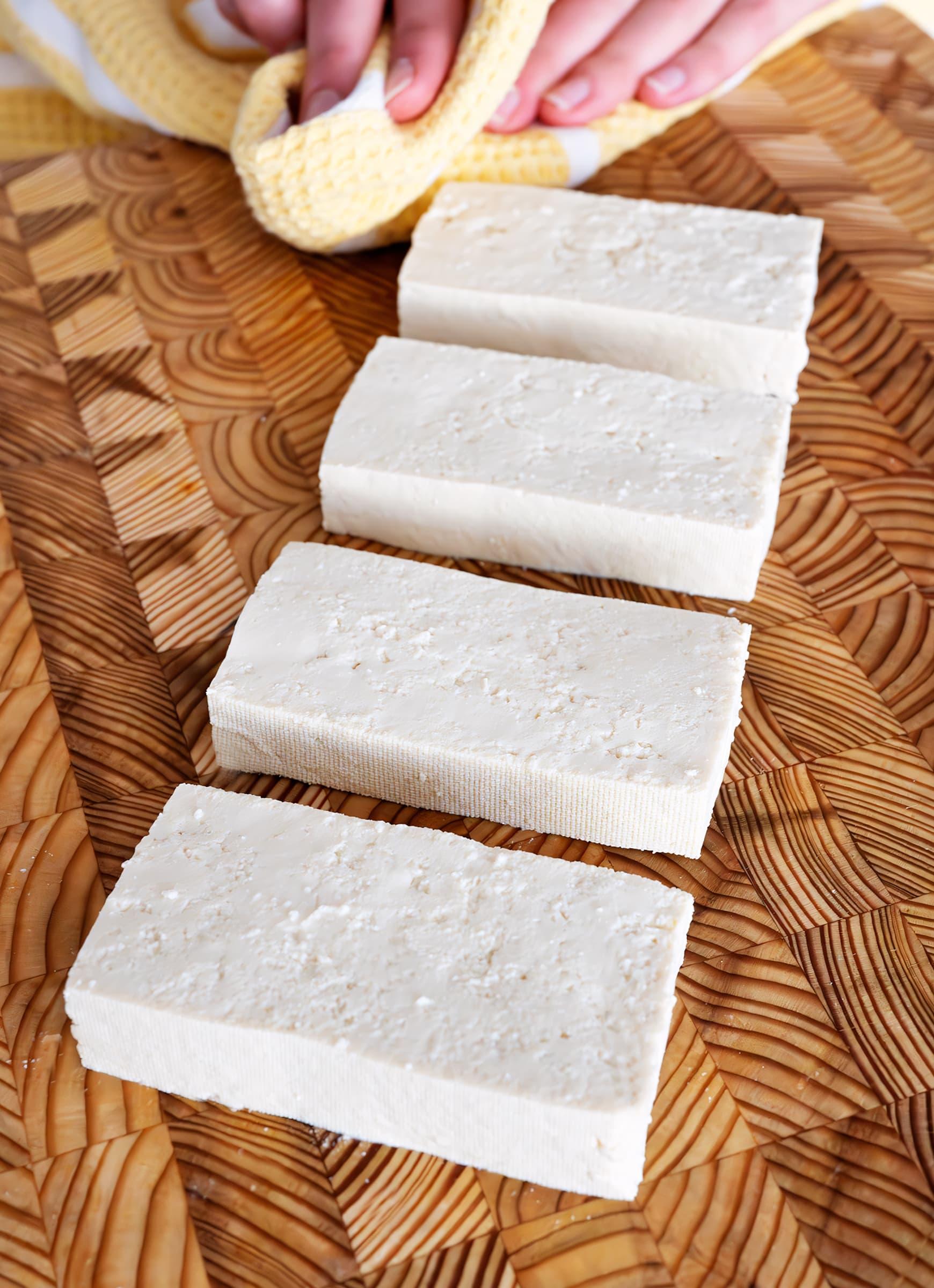
The Importance of Pressing Tofu: Why It Matters
Tofu is renowned for its versatility and ability to absorb flavors, yet many home cooks struggle to achieve the ideal texture. One of the secret weapons for transforming this soy-based protein into a culinary delight is the process of pressing. Pressing tofu isn’t merely a prep step; it is indeed crucial for achieving a consistently firm texture that enhances both the flavor and mouthfeel of your dishes. Neglecting to press tofu can led to soggy, bland results that might leave you questioning the potential of this fantastic food.
When tofu is stored, it retains a significant amount of water, which can hinder cooking processes. Pressing forces this excess moisture out, allowing the tofu to become denser and more receptive to marinades and seasonings. As an inevitable result, you get a product that not only cooks better but also tastes much more vibrant. the transformation is particularly evident when grilling or frying, where properly pressed tofu caramelizes beautifully, providing a satisfying crunch on the outside while remaining soft on the inside.
Here are some key benefits of pressing tofu that demonstrate its importance:
- Enhanced Flavor Absorption: Pressing removes excess water, paving the way for your tofu to soak up marinades and sauces more effectively.
- Improved Texture: The process results in a firm, meaty texture, making tofu a satisfying substitute for meat in various dishes.
- Better Cooking Results: Dishes like stir-fries, curries, and grilled skewers benefit from a crispy exterior and tender interior when tofu is properly pressed.
- Reduced Cooking Time: With less water content,pressed tofu cooks faster,making meal prep more efficient.
Understanding how to press tofu properly is essential for unlocking its full potential. If you want to deliver restaurant-quality dishes at home, mastering the art of pressing is not just beneficial—it’s necessary. The next time you plan a soy-based meal, give pressing the attention it deserves; the difference it can make in both flavor and texture is nothing short of remarkable.
Step-by-Step Guide to Pressing Tofu Properly
Tofu is a versatile ingredient beloved by many,but without proper preparation,it can end up soggy and flavorless. Pressing tofu is essential to achieving that perfect firm texture required for excellent cooking results. This guide outlines the step-by-step process to press tofu properly, ensuring that every dish you prepare becomes a delightful experience that maximizes flavor absorption and enhances overall enjoyment.
Choosing Your tofu
Start by selecting the right type of tofu. there are several varieties available, each suited for different types of dishes. For pressing, extra-firm or firm tofu is recommended as they have less moisture and hold their shape better when cooked. Before pressing, remove the tofu from the package and drain any excess liquid.
Tools You’ll Need
Gather the following tools for an effective pressing process:
- A clean kitchen towel or paper towels
- A heavy skillet or cast iron pan, or even a tofu press if you have one
- A cutting board or plate
Step-by-Step Pressing Process
now that you have your tofu and tools ready, follow these steps:
- Wrap the Tofu: Place the tofu on a cutting board and wrap it snugly with a clean kitchen towel or several layers of paper towels. This will absorb the moisture while pressing.
- Apply Weight: Set a heavy skillet or pan on top of the wrapped tofu.for additional pressure, you can use canned goods or a weighted object. If you own a tofu press, position the tofu inside and tighten it according to the manufacturer’s instructions.
- Let It Rest: Allow the tofu to press for at least 15-30 minutes. The longer you wait, the firmer the texture will become—generally, a half-hour is ideal for most recipes. During this time, you’ll notice the towels absorbing a fair amount of liquid.
- Unwrap and Prepare: After the pressing time, unwrap your tofu and discard the towels. Pat it dry with a fresh towel to remove any remaining moisture. Your tofu is now ready to be marinated, sautéed, grilled, or used in any recipe that calls for firm tofu.
Tips for Optimal Results
To further enhance the pressing process, keep these tips in mind:
- For flavor absorption: Consider marinating your tofu after pressing but before cooking. This allows flavors to penetrate deeply.
- Experiment with marinating times: Some recipes benefit from longer marinating, while others require just a quick soak.
- Storing Pressed Tofu: If you press more tofu than you need, store leftover pressed tofu in an airtight container in the refrigerator for up to 3-4 days.
With these steps and tips, you’ll master the art of pressing tofu, ensuring that each piece has the right texture and flavor, perfect for any dish you create. Whether you are a seasoned chef or a novice in the kitchen, knowing how to press tofu can transform your culinary adventures, allowing for greater versatility and superior taste.
Tools of the Trade: What You Need for Optimal Pressing
When it comes to achieving that perfect, firm texture in tofu, having the right tools can make all the difference. The process of pressing tofu isn’t merely a technique; it’s an art form that enhances the flavor and texture of this versatile ingredient. without the right equipment, you might end up with soggy, unappealing tofu that’s far from the delicious, well-prepared dish you envisioned.
Essential Equipment for Pressing Tofu
To ensure you get optimal results, start by gathering a few key items that can help streamline the pressing process:
- Weighted Press: A dedicated tofu press is arguably the best investment you can make. It evenly distributes weight across the tofu, extracting moisture without damaging its structure.
- Heavy Objects: If you don’t have a tofu press, you can improvise with kitchen items. Any heavy objects such as cast iron skillets or cans can be used to apply pressure effectively.
- Paper Towels: Absorbent paper towels are crucial for soaking up excess moisture from the tofu before and after pressing.
- Cutting Board: A sturdy cutting board can serve as a great base to press your tofu against, providing stability and preventing mess.
Additional Accessories
While the basics will get you started, some additional accessories may enhance your pressing experience and overall results:
- Silicone Mats: Placing a silicone mat beneath the tofu press can prevent slipping and make the process cleaner.
- Food-Grade Weights: Use food-safe weights (like bags of rice or beans) to apply even pressure on tofu, especially when stacked.
- Kitchen timer: Setting a timer helps manage pressing duration; 20-30 minutes is typically ideal for achieving the perfect firmness.
Pressing Techniques That Yield Results
No matter which tools you choose, here is a simple technique to follow for optimal press:
| Step | Action |
|---|---|
| 1 | Remove tofu from packaging and pat dry using paper towels. |
| 2 | Place tofu on a cutting board and set the weighted press or heavy object on top. |
| 3 | Let it press for at least 20 minutes; during this time, change the paper towel if necessary. |
| 4 | Remove the press and pat the tofu dry again before cooking. |
Mastering the art of pressing tofu is essential for anyone looking to transform this soy staple into a mouthwatering meal. With the right tools and techniques at your disposal, you’ll be well on your way to creating dishes that showcase the splendid versatility of tofu, giving you that perfectly firm texture every time.
Flavor Infusion: How Properly Pressed Tofu Absorbs Seasoning
Tofu is frequently enough celebrated for its versatility in absorbing flavors, but its ability to do so effectively hinges on one crucial step: pressing.When you press tofu, you’re not just removing excess moisture; you’re preparing it to become a flavorful canvas for your favorite seasonings. Properly pressed tofu, which boasts a firmer texture, allows marinades and sauces to penetrate deeply, resulting in a deliciously seasoned dish.
Understanding the Importance of Pressing
The pressing process transforms your tofu from a bland block into a flavor-absorbing powerhouse. Here’s how it effectively works:
- Moisture Removal: By expelling moisture,you create space within the tofu for seasonings to infiltrate.
- Texture Improvement: A firmer texture enhances the overall mouthfeel, making each bite satisfying.
- Increased Flavor Absorption: with less water to dilute flavors, the tofu can take on the vibrant notes of your marinade or seasoning.
Effective Techniques for Pressing Tofu
Here’s a simple guide to achieve the perfect press, ensuring your tofu will be ready to absorb those bold flavors:
| Step | Description |
|---|---|
| 1. Drain and Rinse | Start with a block of tofu, drain any liquid, and give it a quick rinse under cold water to remove the brine flavor. |
| 2. Wrap in a Towel | Wrap the tofu block in a clean kitchen towel or paper towels to absorb excess moisture. |
| 3. Apply Weight | Place a heavy object (like a cast-iron skillet or some canned goods) on top of the wrapped tofu to press it for at least 15-30 minutes. |
| 4. Cut and Season | Once pressed, cut the tofu into the desired shape and marinate it for a minimum of 30 minutes to maximize flavor absorption. |
By following these steps,you not only enhance the texture of your tofu but also pave the way for a more flavorful dining experience. Experiment with different marinades—like soy sauce, garlic, and ginger for an asian twist, or olive oil, balsamic vinegar, and herbs for Mediterranean flair—to discover what tantalizes your palate the most. Remember, the secret to perfectly seasoned tofu lies in the pressing; a well-pressed block opens the door to irresistible flavor infusion.
Common Mistakes to Avoid When Pressing Tofu
Pressing tofu may seem straightforward, but many culinary enthusiasts find themselves making common missteps that can significantly impact the final texture and flavor of this versatile protein. Understanding these pitfalls is crucial for achieving that perfectly firm texture that elevates any dish. Here are essential mistakes to avoid when pressing tofu.
Overlooking the Type of Tofu
Using the incorrect tofu variety can lead to disappointing results.Not all tofu is created equal; silken tofu, as an example, is best suited for smoothies and desserts, while firm or extra-firm tofu is ideal for pressing. When choosing your tofu, consider the intended outcome:
| Tofu Type | Best Uses | Pressing Suitability |
|---|---|---|
| Silken | Smoothies, sauces, desserts | No |
| Soft | Scrambles, soups | Limited |
| Firm | Stir-fries, grilling | Yes |
| Extra-Firm | Grilling, frying | Yes |
Not Allowing Enough Time for Pressing
Another frequent error is not allowing sufficient time for the pressing process. For an adequately firm texture, tofu requires a minimum of 15-30 minutes of pressing. Rushing this process can leave your tofu waterlogged, preventing it from absorbing marinades and flavors effectively. Set a timer and make this a non-negotiable part of your prep routine.
Using Inadequate Weight
Weight plays a critical role in pressing tofu. A common mistake is using insufficient weight, which may not effectively extract the moisture. Instead of just placing a few plates on top, consider using a heavy cast-iron skillet or dedicated tofu press. A well-structured weight ensures that moisture is forced out evenly, leading to an improved texture.
Skipping the Rinse
Lastly, many skip rinsing the tofu before pressing. This might seem trivial, but rinsing can definately help remove some of the packaging brine that can alter the taste of your dish. A quick rinse under cold water allows better flavor absorption post-pressing, enhancing the overall dish.
Avoid these common mistakes to transform your tofu dishes from average to remarkable,allowing you to master the art of pressing tofu for that perfectly firm texture every time. Whether you’re grilling,sautéing,or adding it to your favorite curry,the right pressing technique will make all the difference.
Creative Ways to Use Pressed Tofu in Your Cooking
Pressed tofu offers an incredible culinary versatility that can transform your meals into delightful, texture-rich dishes. Its firm structure not only enhances its ability to absorb flavors but also allows it to stand up to various cooking techniques such as grilling, frying, and baking. Here are some creative and delicious ways to incorporate perfectly pressed tofu into your meals.
Grilled Tofu Skewers
Grilling is an excellent method for maximizing the flavors of pressed tofu. Cut your firm tofu into cubes after pressing and marinate it in a mixture of soy sauce, garlic, and your favorite herbs for at least 30 minutes. Here’s how to create memorable grilled skewers:
- Ingredients: Pressed tofu, bell peppers, zucchini, cherry tomatoes.
- Marinade: Soy sauce, olive oil, minced garlic, and herbs (like thyme or basil).
- Instructions: Alternate tofu and vegetables on skewers, brush with marinade, and grill until golden.
This method infuses the tofu with rich flavors while giving it a smoky finish that pairs beautifully with a summer salad or grain bowl.
Tofu Stir-Fry Adventures
Stir-frying is another quick and satisfying way to use pressed tofu. To achieve the ideal result, ensure that your tofu is well-pressed, allowing it to absorb the stir-fry sauce thoroughly.
- Base Ingredients: Firm pressed tofu, mixed vegetables (like broccoli, carrots, and bell peppers).
- stir-Fry Sauce: A mix of soy sauce, ginger, and sesame oil.
- Cooking Steps:
- Dice pressed tofu into bite-sized pieces.
- Sauté tofu in a hot pan until golden brown.
- Add vegetables and pour in the sauce, cooking until everything is tender.
This delicious and nutritious dish can be served over rice or noodles for a complete meal full of texture and flavor.
Baked Tofu with Spices
Baking not only intensifies the flavors of your ingredients but also offers a hands-off approach to cooking. For a spice-infused baked tofu dish, follow these steps:
| Ingredients | Spices |
|---|---|
| Pressed tofu (cubed) | Paprika, cumin, garlic powder, salt, and pepper |
| olive oil | Optional: crushed red pepper for heat |
To prepare, preheat the oven to 400°F (200°C), toss pressed tofu in olive oil and your chosen spices, and spread on a baking sheet. Bake for 25-30 minutes until crispy, turning halfway for even browning. This baked tofu can be added to salads, grain bowls, or enjoyed as a healthy snack.
By mastering how to press tofu and implementing these innovative cooking strategies,you can easily enhance your meals with deliciously textured plant-based protein. Each method allows for a wide range of flavor combinations, making it a staple in any culinary repertoire.
Beyond Pressing: Cooking Techniques for Perfectly Firm Tofu
Tofu’s ability to absorb flavors makes it a cherished ingredient in many cuisines, but achieving the perfect texture requires more than just pressing it. After mastering the pressing technique, there are several cooking methods that elevate tofu’s firm texture and infuse it with flavor, allowing home cooks to create delectable plant-based dishes.
Grilling
Grilling is a wonderful way to enhance the firm texture of tofu while imparting a smoky flavor.For optimal results, marinate the pressed tofu in a mix of soy sauce, garlic, and sesame oil for at least 30 minutes. This not only adds flavor but also helps the tofu to retain moisture as it cooks. Preheat your grill to medium-high heat, and cook the tofu for about 4-6 minutes on each side until you see perfect grill marks.
stir-Frying
Stir-frying is quick and allows tofu to maintain its firm consistency while absorbing the surrounding flavors. After pressing the tofu and cutting it into cubes, toss it in cornstarch before frying. This creates a delightful crispy outer layer. Heat a tablespoon of oil in a non-stick pan, add the tofu, and cook until all sides are golden brown, about 10 minutes in total. Then, add your favorite vegetables and sauce, stir-frying everything together for a few more minutes to meld the flavors.
Oven Baking
Baking is another excellent method for achieving a firm texture. After pressing and cutting tofu into slabs, toss it with olive oil, salt, and seasonings of your choice. Place the tofu on a lined baking sheet and bake at 400°F (200°C) for approximately 25-30 minutes, flipping halfway through. This method allows for even cooking and results in a chewy texture that’s great for adding to salads or grain bowls.
Incorporating these techniques—grilling, stir-frying, and baking—will help you master the art of cooking tofu beyond just pressing it. By exploring these methods,you’ll unlock a world of flavors and textures that can elevate any dish. Whether you’re creating a hearty stir-fry or a light salad, perfectly prepared firm tofu will be the star of your meal.
FAQ
How to press tofu for the best texture?
To press tofu for the best texture, start by wrapping it in a clean kitchen towel or paper towels and placing a heavy object on top for 20-30 minutes. This process removes excess moisture, resulting in a firmer texture that’s perfect for grilling or frying.
This method not only enhances the texture of the tofu but also allows it to absorb marinades better. For optimal results, ensure the weight is evenly distributed to press the tofu uniformly. You can also consider using a dedicated tofu press for convenience.
What is the best method for pressing tofu?
The best method for pressing tofu involves using a tofu press or the weight method. Both ensure that excess moisture is effectively removed, yielding a firmer tofu texture ideal for various dishes.
If you’re using the weight method, place tofu on a plate lined with paper towels, add a second layer of towels, and then place a heavy cast-iron skillet or books on top. A dedicated tofu press can simplify the process and save time.
Why does pressing tofu make it better?
pressing tofu improves its texture by removing excess water, allowing it to become firmer and more absorbent. This transformation makes the tofu more capable of soaking up flavors from marinades and sauces.
Without proper pressing, tofu can become soggy and taste bland, which is why mastering this technique is crucial. A well-pressed tofu can enhance your dishes, making them more enjoyable and flavorful.
Can I press tofu overnight?
Yes, you can press tofu overnight to achieve a super firm texture.Wrap the tofu as usual and leave it under weight in the refrigerator. This lengthy pressing allows maximum moisture to escape.
Pressing overnight can be especially favorable for recipes requiring *intense flavor absorption*, as the tofu will have more time to take in marinades. Just ensure the weight used does not crush the tofu.
How do I know when my tofu is pressed enough?
Your tofu is pressed enough when it feels noticeably denser and has less moisture around it. After pressing,it should no longer release water easily,indicating it’s ready for cooking.
You can also check by slicing the tofu. If the slices hold their shape without crumbling, you’ve achieved the right texture. This can improve the overall dish, especially if grilling or stir-frying.
What types of tofu are best for pressing?
Extra firm and firm tofu are the best types for pressing,as they contain less moisture and can maintain their shape better during cooking. Soft or silken tofu is not recommended for pressing due to its delicate texture.
For recipes requiring a hearty texture, opt for extra firm tofu. Always choose the right type based on your culinary needs to ensure the best results when pressing and cooking.
Can I use a tofu press instead of weights?
Yes, using a tofu press can be more efficient than using weights. A tofu press is designed to apply even pressure and can often achieve similar results in a shorter amount of time.
Dedicating a press allows for a hands-off approach, where you simply set it and let it work. This can be particularly helpful during meal prep when you’re multitasking in the kitchen.
Final Thoughts
mastering the art of pressing tofu is a valuable skill that enhances your culinary creations. By following the steps outlined—selecting the right tofu type, using proper techniques, and allowing sufficient time for pressing—you’ll achieve a perfectly firm texture that absorbs flavors beautifully. Remember, practice makes perfect, so don’t hesitate to experiment with different methods and discover what works best for your taste.We encourage you to try out these techniques in your kitchen and explore the diverse range of dishes you can create with properly pressed tofu. Happy cooking, and may your tofu adventures be delicious!