


As a plant-based protein source, tofu ofen raises questions about its nutritional profile and benefits. Packed with approximately 8 grams of protein per 100 grams,this versatile superfood is not onyl a staple in vegan and vegetarian diets but also offers essential nutrients like calcium and manganese. Understanding its protein content is crucial for those seeking healthier dietary choices.
Understanding Tofu: A Nutritional Powerhouse
Tofu is frequently enough celebrated for its remarkable nutritional profile, making it a staple in many diets, especially for those seeking plant-based protein sources. This versatile food, derived from soybeans, is not only rich in protein but also provides a balanced array of essential nutrients that contribute to its status as a nutritional powerhouse. For those wondering, “Does Tofu Have Protein? The Surprising numbers Behind This Superfood,” the answer is a resounding yes, with various forms of tofu offering different nutritional benefits.
Protein Content
Tofu is an excellent source of protein, with different types offering varying amounts. For instance,a typical serving of firm tofu (about 1 cup) can provide nearly 20 grams of protein,making it a ample alternative to meat for vegetarians and vegans alike.In addition to being a good protein source, tofu is also low in calories, with a 3/4-cup serving containing approximately 100 calories and 5 grams of fat, as highlighted by Cleveland Clinic health essentials[[1]](https://health.clevelandclinic.org/tofu-benefits).
Other Nutritional Benefits
Beyond protein, tofu is loaded with essential vitamins and minerals, such as calcium, magnesium, and iron, which are crucial for maintaining overall health. It is also a source of unsaturated fats,which are beneficial for heart health. The table below outlines the nutritional profile of a standard serving of firm tofu:
| Nutrient | Amount per Serving (1 Cup) |
|---|---|
| Calories | 100 |
| Protein | 19.88 g |
| Fat | 10.99 g |
| Carbohydrates | 3.88 g |
| fiber | 1 g |
Incorporating tofu into your diet can provide various health advantages, particularly for those looking to increase their protein intake without relying on animal products. Whether used in stir-fries, smoothies, or salads, tofu can be adapted to fit various culinary styles, making it a practical addition to any meal plan.
Practical Tips for Enjoying Tofu
Here are some actionable ways to enjoy and include tofu in your meals:
- Stir-frying with vegetables and your choice of sauce for a rapid and nutritious meal.
- add to smoothies for a creamy texture and protein boost.
- Grill or bake marinated tofu for a tasty meat alternative.
- Blend into soups for added creaminess without the calories of dairy.
By understanding the nutritional benefits of tofu, it becomes clear why many people are embracing it as a key part of their diets. Whether your curious about how much protein it has or seeking new ways to prepare it,tofu stands out as a flexible and powerful ingredient for health-conscious eaters.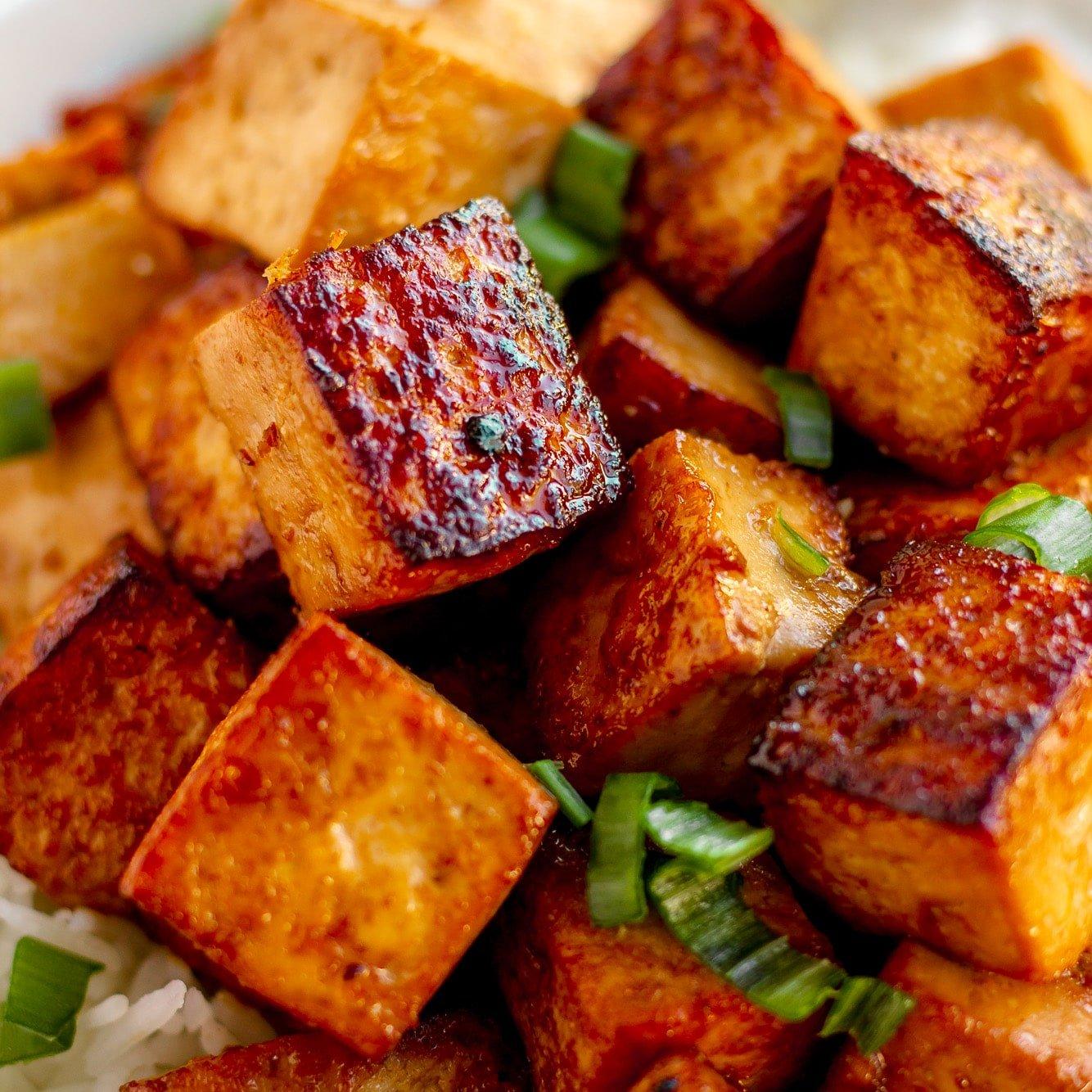
How much Protein Is Really in tofu?
Tofu is often hailed as a powerhouse of plant-based protein, making it a favorite among vegetarians, vegans, and anyone looking to diversify their protein sources. This versatile ingredient not only adds texture to dishes but also packs a significant nutritional punch. The surprising numbers behind the protein content in tofu can help you understand how it fits into a balanced diet.
A half-cup serving of firm tofu delivers about 21.8 grams of protein, which is comparable to the protein found in many animal products. It is low in carbohydrates (approximately 3.5 grams) and provides healthy fats, particularly when prepared with calcium sulfate, which adds additional nutritional benefits. The amino acid profile of tofu is complete, making it an excellent source of essential amino acids that our bodies cannot produce on their own. This is particularly crucial for those following a plant-based diet.
When evaluating different types of tofu, it’s helpful to note that the protein content can vary slightly based on the type and readiness method. As a notable example,a full cup of firm tofu can provide around 19.88 grams of protein, while silken tofu offers a softer texture but slightly less protein. The table below summarizes the protein content in various types of tofu:
| Type of Tofu | Protein per serving |
|---|---|
| Firm Tofu (1 cup) | 19.88 g |
| Extra Firm Tofu (1/2 cup) | 21.8 g |
| Silken Tofu (1/2 cup) | 10 g |
Incorporating tofu into your meals can be easy and delicious. For instance, blending silken tofu into smoothies can enhance creaminess without overpowering flavors, while grilled firm tofu works well in salads, stir-fries, and sandwiches. Not only does tofu contribute valuable protein, but it also provides other essential nutrients like calcium, manganese, copper, and selenium, making it a truly holistic food choice. By adding tofu to your diet, you can enjoy a nutritious, protein-packed ingredient that supports overall health and well-being.
Comparing Tofu to Other Protein Sources
Tofu has gained popularity as a key protein source, especially among vegetarians and vegans, due to its remarkable versatility and nutritional profile. When comparing tofu to various protein sources, the differences in protein content, amino acid profiles, and other nutrients are striking. As a notable example,firm tofu contains approximately 17.3 grams of protein per 100 grams, translating to 35% of the daily value, while the ever-popular cooked skirt steak boasts 28.7 grams per 100 grams at an impressive 57% of the daily value [[1]]. This indicates that while tofu may have less protein than some animal products,it still provides a substantial amount that can form a significant part of a balanced diet.
Protein Quality and Variability
It’s essential to consider not only the quantity of protein but also the quality. tofu is a complete protein, meaning it contains all nine essential amino acids necesary for human health.In contrast,some plant-based proteins may lack one or more of these amino acids. Comparing tofu to ground beef, which contains about 8.9 grams of protein per 100 calories,tofu generally offers more protein for fewer calories when consumed in appropriate serving sizes [[2]]. Tofu’s ability to adapt to various flavors and dishes, combined with its low calorie and fat content, makes it an excellent option for those looking to increase protein consumption healthily.
Comparative Nutritional Benefits
Beyond protein, tofu holds numerous health advantages over other protein sources. It is lower in saturated fat and cholesterol-free, making it heart-healthy. For individuals managing their weight or looking to reduce meat consumption, incorporating tofu can be a smart choice. The nutritional comparison can be summarized in the following table:
| Protein Source | Protein (per 100g) | % daily Value | Fat (per 100g) |
|---|---|---|---|
| Firm Tofu | 17.3g | 35% | 4g |
| Cooked skirt Steak | 28.7g | 57% | 18g |
| Ground Beef | 8.9g (per 100 cal) | varies | 23g (per 100 cal) |
By incorporating tofu into meals, individuals can enjoy a protein-rich, nutrient-dense food that promotes overall well-being. Whether stir-fried, grilled, or blended into smoothies, it serves as a fantastic alternative to meat, proving that tofu is indeed a formidable protein source that holds its own against conventional animal proteins while offering distinct health benefits.
The Health Benefits of Tofu Beyond Protein
Tofu is frequently enough celebrated for its high protein content, but this versatile food offers a wealth of additional health benefits that make it a staple in various diets. Beyond just protein, tofu is packed with essential nutrients that can support overall health. Its unique composition not only contributes to muscle growth and repair but also aids in numerous bodily functions,making it a smart choice for anyone looking to enhance their diet.
Nutritional Powerhouse
Tofu is rich in vitamins and minerals critical for bodily functions. As a notable example, it contains high levels of calcium, which is vital for bone health, and iron, essential for creating red blood cells. Moreover, it is indeed a good source of manganese, which plays a role in metabolism and antioxidant defenses [[3]].
Promotes Heart Health
Regular consumption of tofu has been linked to a decreased risk of heart disease. The compounds present in tofu can help to lower cholesterol levels and improve overall cardiovascular health. This can be attributed to its rich profile of phytonutrients, which serve as antioxidants [[2]]. Incorporating tofu into meals can be a delicious way to enhance your heart health, especially when replacing higher-fat meats with this plant-based option.
Supports Bone and Brain Health
Beyond its cardiovascular benefits, tofu is also beneficial for bones and brain function. The high calcium content supports bone density, reducing the risk of osteoporosis, particularly in postmenopausal women. Additionally, the presence of soy isoflavones in tofu may offer neuroprotective effects, potentially lowering the risk of cognitive decline and diseases like dementia [[1]].
In essence, while exploring whether tofu has protein, it becomes evident that there’s so much more to this superfood. Not only does it serve as an excellent protein source, but its diverse benefits make it a worthy addition to any healthy diet. The next time you consider your meal options, think about how adding tofu can elevate both the nutrition and enjoyment of your food.
Cooking with Tofu: Tips for Maximizing Nutrition
Tofu is not only a versatile ingredient but also a powerhouse of nutrition, making it a fantastic addition to any diet. With nearly 22 grams of protein in just half a cup,this superfood offers a surprisingly rich source of essential nutrients,including calcium and manganese,while maintaining a low calorie count of about 181 calories. Maximizing the health benefits from tofu involves understanding how to prepare it properly to enhance its flavour and health properties.
Choosing the Right Tofu
When exploring how to utilize tofu effectively, start by selecting the right type for your dish. Tofu comes in various forms such as silken, soft, firm, and extra firm. For creamy soups or smoothies, silken tofu is perfect due to its smooth texture and high protein content. Conversely, firm or extra firm tofu is better suited for stir-fries and grilling, as it retains its shape and absorbs flavors effectively. Choosing organic tofu can also enhance nutritional value, as it is typically made without pesticides or genetically modified organisms.
Preparation Techniques
Tofu can be bland on its own, but flavorful preparation techniques can enhance its taste while maintaining its nutritional integrity. Here are some tips to optimize your tofu cooking experience:
- Pressing: Before cooking, consider pressing firm tofu to remove excess moisture. This helps the tofu absorb marinades and seasonings better, intensifying its flavor.
- Marinating: Use a marinade containing soy sauce, garlic, and ginger for at least 30 minutes to impart flavor. This step is crucial, as tofu is like a sponge and absorbs the flavors it’s introduced to.
- Crisping: For a delicious texture, try pan-frying or baking your marinated tofu. A sprinkle of cornstarch before cooking can definitely help achieve a crispy crust, adding a pleasant contrast to the soft interior.
Cooking Methods
The cooking method considerably affects the nutritional profile and taste of your dish. Steaming, baking, and grilling are excellent options that help retain much of tofu’s nutrients without adding excess fat. Here’s a simple comparison of methods:
| Cooking method | Flavor Enhancement | Nutritional Impact |
|---|---|---|
| Steaming | Lightly enhances natural flavors | Best for retaining nutrients |
| Baking | creates a firm texture and rich flavor | Moderate fat addition if using oil |
| Grilling | Imparts smoky flavor | Slightly higher fat depending on marinades |
incorporating tofu into your meals is not just about its impressive protein content but also about how you prepare it. Understanding the different types of tofu, honing your cooking methods, and utilizing effective preparation techniques will ensure that you maximize the nutritional benefits of this remarkable food, affirming the findings in “does Tofu Have Protein? The Surprising Numbers Behind This Superfood.”
Different Types of Tofu and Their Protein Content
tofu is not just a versatile ingredient in many culinary traditions; it also stands out for its impressive protein content, making it an essential component of vegan and vegetarian diets. This soy-based food comes in various forms, each uniquely contributing to its nutritional profile. Understanding the different types of tofu can definitely help you incorporate this superfood effectively into your meals.
Types of Tofu and Their Protein Content
Tofu generally falls into several categories,primarily categorized by its firmness: silken,soft,firm,and extra-firm. Each type varies not only in texture but also in protein concentration.
| Type of Tofu | Protein per Serving (3.5 oz / 100 g) |
|---|---|
| Silken Tofu | 8-9 grams |
| Soft Tofu | 8-10 grams |
| Firm Tofu | 10-12 grams |
| Extra-Firm Tofu | 14 grams |
Each variation has its ideal culinary applications. Silken tofu is fantastic for smoothies, desserts, and dressings due to its creamy texture. On the other hand, firm and extra-firm tofu is excellent for stir-fries, grilling, or baking as they hold their shape better, providing chewiness. As an example, extra-firm tofu from brands like Trader Joe’s boasts an impressive 14 grams of protein per serving, making it one of the best options for those looking to increase their protein intake without relying on animal products [[3](https://www.traderjoes.com/home/products/pdp/high-protein-organic-tofu-083089)].
While the protein content of tofu is notable, it’s essential to pair it with diverse foods to ensure you’re receiving a full spectrum of essential amino acids, as tofu alone may not provide sufficient amounts of each. This interplay makes tofu not only a source of protein but also a means of enhancing the overall nutritional profile of your meals. By exploring different types of tofu, you can easily integrate this superfood into your daily diet, boosting both flavor and protein content.
Debunking Myths: Tofu’s Role in a Balanced Diet
Tofu, frequently enough hailed as a powerhouse in plant-based diets, is frequently surrounded by misconceptions that undermine its nutritional value and versatility. One of the most pervasive myths is that tofu is only suitable for vegetarians or vegans, when in reality, this superfood can be seamlessly integrated into any diet, providing essential protein and nutrients. An average serving of tofu can contain around 8 grams of protein, making it a significant source of this macronutrient for those looking to diversify their protein sources, especially in a balanced diet.
Common myths to Dispel
Several myths about tofu hinder its acceptance among wider populations. Some believe that tofu is solely a cheese product, which is inaccurate as tofu is made from soybeans, coagulated to form a versatile food product. Additionally, many think that it is naturally high in calcium, when in fact, while some varieties do contain calcium due to fortification during processing, others have little to none.It also faces criticism regarding its fat content, with some claiming it is unhealthy due to fat levels, yet tofu comprises primarily healthy fats, contributing to a heart-healthy diet.
- Myth: Tofu is only for vegetarians.
- Fact: Tofu is a protein-rich food that benefits everyone, irrespective of dietary preference.
- Myth: Tofu is cheese.
- Fact: Tofu is made from soybeans, not dairy, making it a suitable option for lactose-intolerant individuals.
For those concerned about soy and health implications, research indicates that soy does not increase the risk of breast cancer, and its isoflavones may even provide protective benefits. This broadens the appeal of tofu for health-conscious eaters as part of a well-rounded nutrition plan. In fact, incorporating tofu into a meal plan can be as simple as adding it to stir-fries, salads, or smoothies, demonstrating its adaptability and potential to enhance culinary experiences while fulfilling dietary needs.
By recognizing and debunking these myths, tofu can emerge as a firmly established component within diverse dietary patterns, bringing countless health benefits.Embracing this superfood opens doors to creative cooking while ensuring a balanced intake of protein and other essential nutrients.
FAQ
Does Tofu Have Protein? How Much Protein Is in Tofu?
Yes, tofu is an excellent source of protein. A half-cup serving of firm tofu contains around 21.8 grams of protein, making it a nutritious choice for both vegetarians and meat-eaters.
Tofu’s protein content comes from its natural soybeans, providing all the essential amino acids your body needs. This makes it a complete protein source, which is particularly beneficial for those on a plant-based diet. For more details about its health benefits, check out this article on tofu.
What Are the Nutritional Benefits of Tofu?
Tofu is not only high in protein but also contains a variety of essential nutrients, including calcium, iron, and magnesium. It’s low in calories, with just 181 calories in a half-cup serving.
In addition to being rich in protein, tofu supports heart health due to its healthy fats. Regular consumption can aid muscle growth and repair, making it a smart choice for active individuals. With its numerous benefits, it rightly earns the title of a superfood.
Can I Use Tofu in Recipes to Boost Protein Intake?
Absolutely! Using tofu in your meals is a fantastic way to increase your protein intake. It’s incredibly versatile and can be added to stir-fries, salads, soups, and smoothies.
For example, firm tofu can be grilled or sautéed for added texture, while silken tofu is perfect for blending into creamy sauces or desserts. By incorporating tofu into your diet,you not only improve your protein levels but also enhance the protein quality of your meals.
Why Does Tofu Have a Reputation for Being Healthy?
Tofu has a strong reputation for being healthy due to its origin as a natural plant-based food and its rich nutrient profile. It’s made from soybeans, which contributes to its *nutritional density*.
Beyond protein, tofu is low in saturated fat, cholesterol-free, and contains various vitamins and minerals. Its consumption has been linked to improved heart health and lower risks of certain diseases. Many health experts recommend including tofu as a regular part of a balanced diet.
how Can I Incorporate Tofu into My Diet?
Incorporating tofu into your diet is easy! You can start by replacing meat in your favorite recipes, such as tacos or stir-fries. Tofu absorbs flavors well, making it a great complement to various spices and sauces.
Try experimenting with different types of tofu, like firm or silken, depending on your dish. You can also add tofu to breakfast smoothies or blend it into soups for added creaminess. the possibilities are endless!
Is Tofu Suitable for everyone?
Tofu is suitable for most people, but those with soy allergies or certain health conditions should consult a healthcare provider before including it in their diet. It’s a common allergen, so be aware of potential reactions.
For the majority, tofu provides a healthy protein option but moderation is key. Listening to your body and ensuring a varied diet will help you maximize health benefits while minimizing risks.
The Conclusion
tofu stands out as an excellent source of protein, boasting around 15 grams per 100 grams, while remaining low in calories and rich in essential nutrients, such as calcium and manganese. Its versatility in cooking makes it an appealing option for both culinary enthusiasts and those new to plant-based diets. Exploring tofu further can open the door to a myriad of delicious recipes and health benefits, making it a valuable addition to your meals. We encourage you to dive deeper into the world of tofu, discover new ways to incorporate it into your diet, and enjoy the nutritional advantages this superfood has to offer!


